GOC Insights · Whitepaper
Sovereign AI infrastructure in the GCC: power, cooling and site readiness
Compute projects are rarely delayed by the hardware. They are delayed by the power, cooling and site work that must be ready before the first rack arrives.
Governments and enterprises across the GCC want AI capacity that runs in-country, under national control. The decision to build is usually made quickly. The physical work that makes it possible takes longer, and it starts long before the servers are ordered.
Executive summary
- Sovereign AI means compute capacity, and the data it processes, kept under national control and operated in-country.
- The binding constraints are physical: reliable power at scale, cooling for high-density racks, and a site that is ready on time.
- These are energy and infrastructure problems, and they are best solved by teams that build energy and infrastructure.
- GOC delivers the physical layer; technology partners such as Amanah deliver the compute. The partnership model is agreed per project.
- Project owners can reduce schedule risk by testing site readiness against a short checklist before procurement starts.
Why compute projects stall
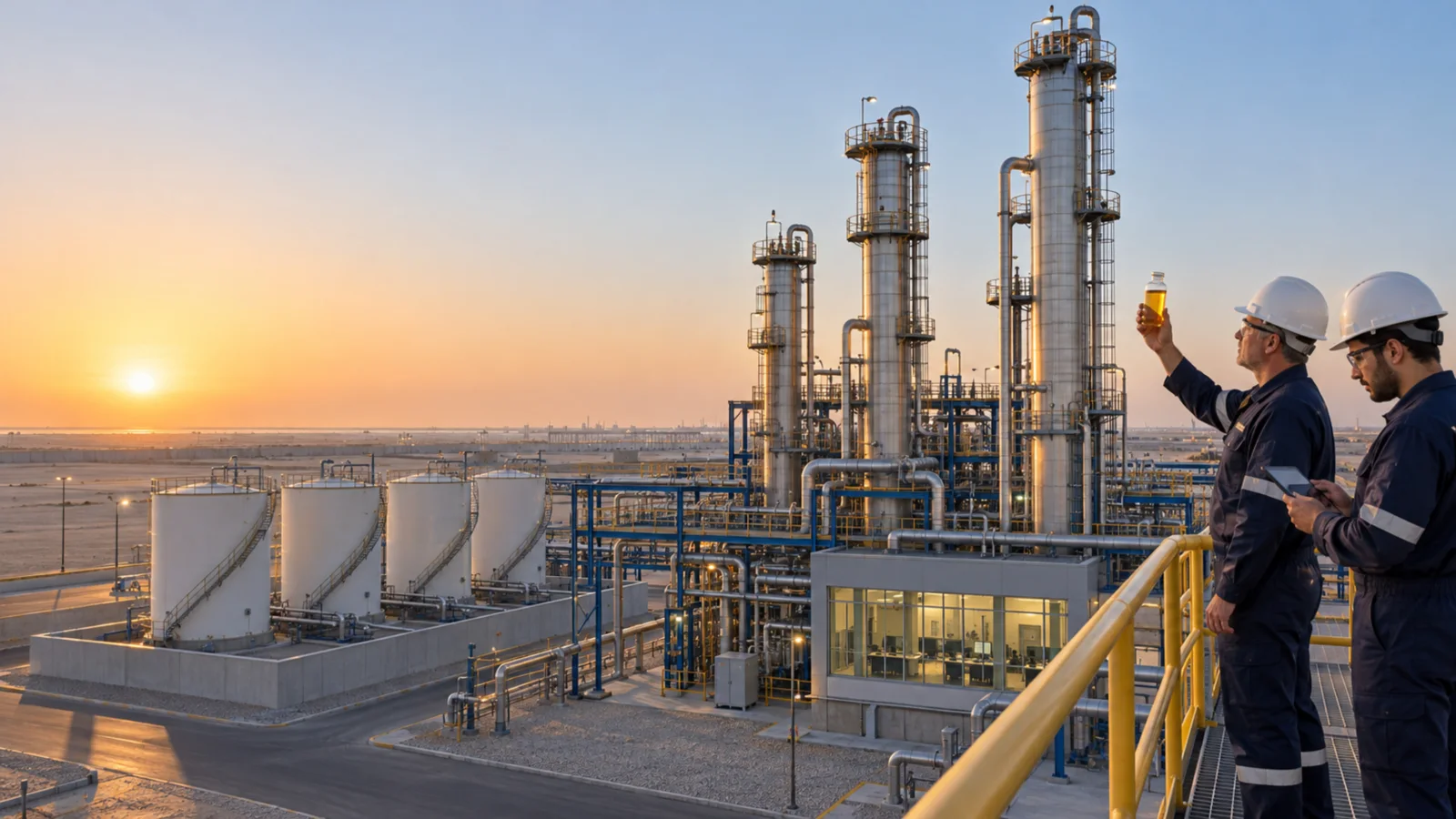
An AI data hall is, physically, a building that converts electricity into computation and heat. The servers are the visible part. Behind them sit a grid connection, transformers and switchgear, backup power, a cooling plant and the civil works that hold it all together.
Each of these has its own lead time, its own approvals and its own contractors. When they are planned separately, the slowest one sets the opening date. In practice, that is rarely the hardware.
Power: the first constraint
High-density AI racks draw far more power than conventional IT, and they draw it continuously. A project needs to know, early, how much capacity is available at the site, how it will be connected, and how supply will be kept stable when demand changes quickly.
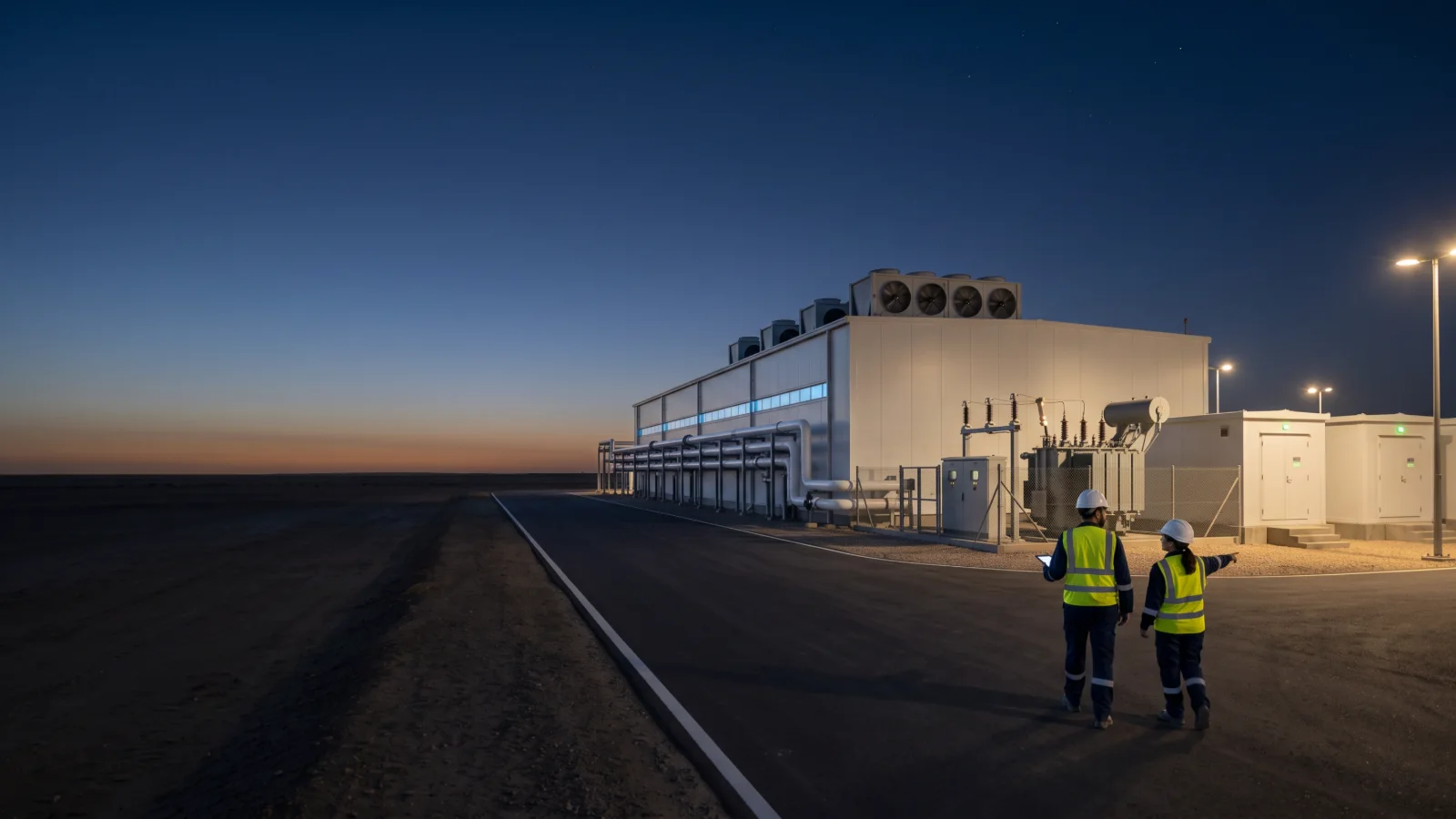
- Grid connection and substation capacity, including the approvals and works on the utility side.
- Medium- and low-voltage distribution inside the site, sized for the full build-out, not the first phase.
- Resilience: redundant feeds, backup generation and the switching that ties them together.
Power and cooling first. Then compute.
GOC Insights
Cooling at high density
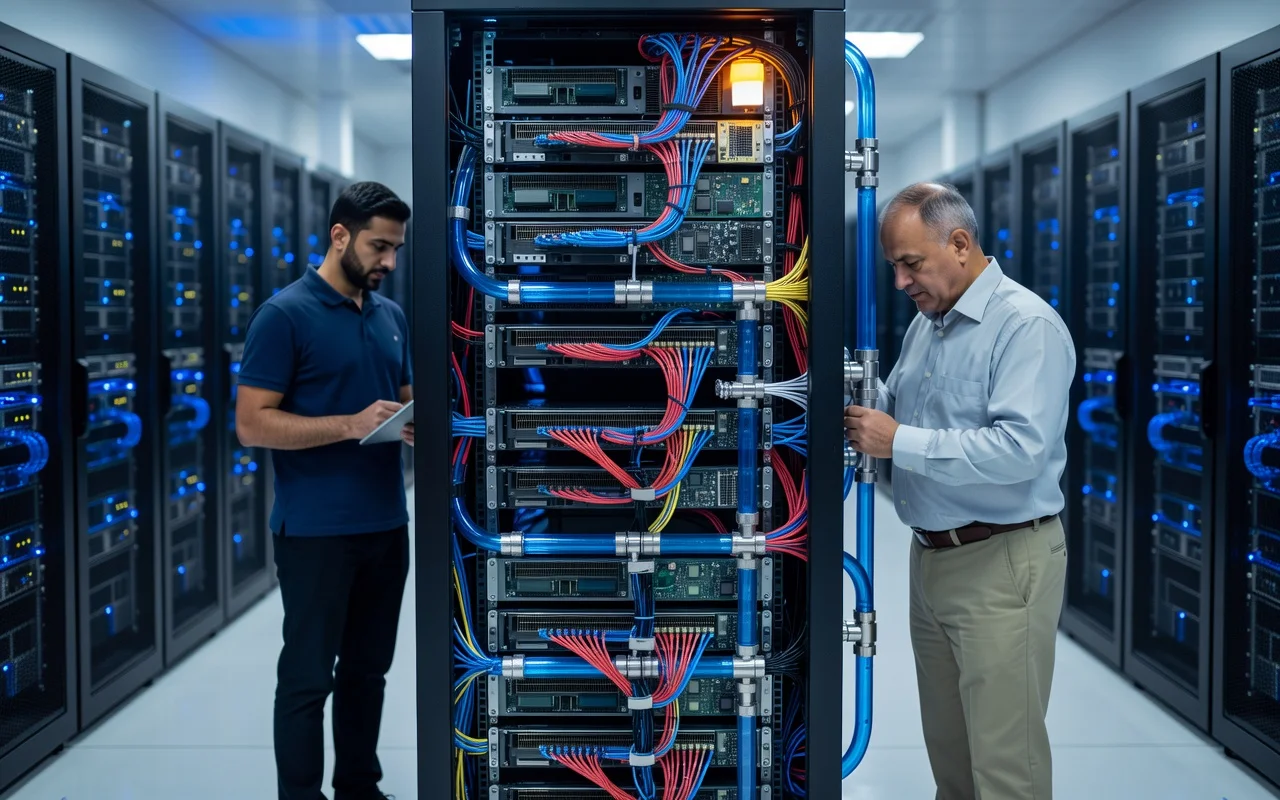
Every unit of power delivered to a rack leaves it as heat. As rack densities rise, air cooling alone becomes harder and more expensive, and liquid cooling moves from an option to a requirement for parts of the hall.
In a hot climate, the cooling plant is also one of the largest consumers of power on site. Cooling design and power design therefore have to be done together, against the same load profile, and with room to grow.
Site, civil and connectivity
A suitable site combines available power, space for the cooling plant, secure access, low exposure to flooding and dust, and fibre connectivity. Civil works, foundations, cable routes and the electrical rooms themselves often sit on the critical path.
Prefabricated electrical rooms and modular plant can shorten that path, provided they are specified early and their interfaces with the building are clear.
A partnership model: GOC × Amanah
Sovereign AI projects need two kinds of capability that rarely sit in one company: the energy and infrastructure work that makes a site ready, and the compute architecture that runs on it.
In the GOC × Amanah model, GOC delivers the physical layer: power, cooling, civil and electrical works, and site readiness. Amanah, as technology partner, delivers the sovereign AI and compute architecture. Roles, scope and commercial structure are agreed for each project and are subject to approval.
A readiness checklist for project owners
Before procurement starts, project owners can reduce schedule risk by answering six questions:
- How much power is available at the site today, and how much is needed at full build-out?
- Which approvals are needed for the grid connection, and who owns them?
- What rack densities are planned, and which parts of the hall will need liquid cooling?
- Is there space and power for the cooling plant at full load in summer conditions?
- Which civil and electrical works are on the critical path, and can any be prefabricated?
- Who is accountable for the interfaces between power, cooling, building and compute?
What GOC delivers
Power, cooling, civil and electrical infrastructure for compute, developed with technology partners. These are proposed solutions, not delivered projects; scope and partnership model are agreed per project.
Explore GOC × Amanah