GOC Insights · Engineering & Industrial
Pre-commissioning explained: what happens before a plant starts
New and modified plants do not start clean. Pre-commissioning removes what construction leaves behind, so equipment runs as designed from the first day.
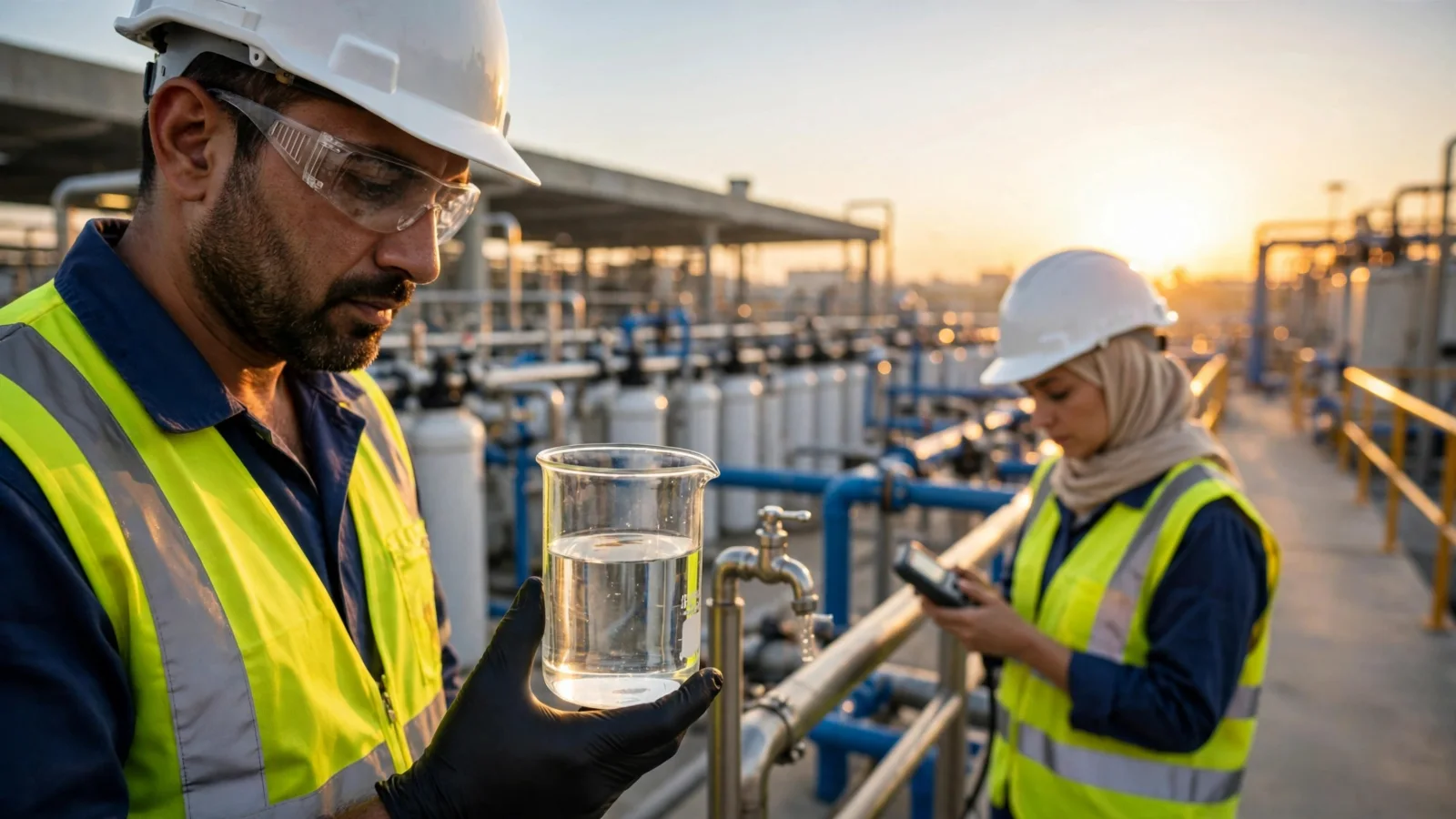
Construction leaves debris, mill scale, oil and moisture inside pipework and vessels. Start a plant without removing them, and they end up in pumps, valves, turbines and heat exchangers.
Why it matters
Shutdowns and start-ups run to fixed windows. Contamination found after start-up means another shutdown, damaged equipment and lost output. Pre-commissioning is the work that makes the start-up date hold.
The main methods
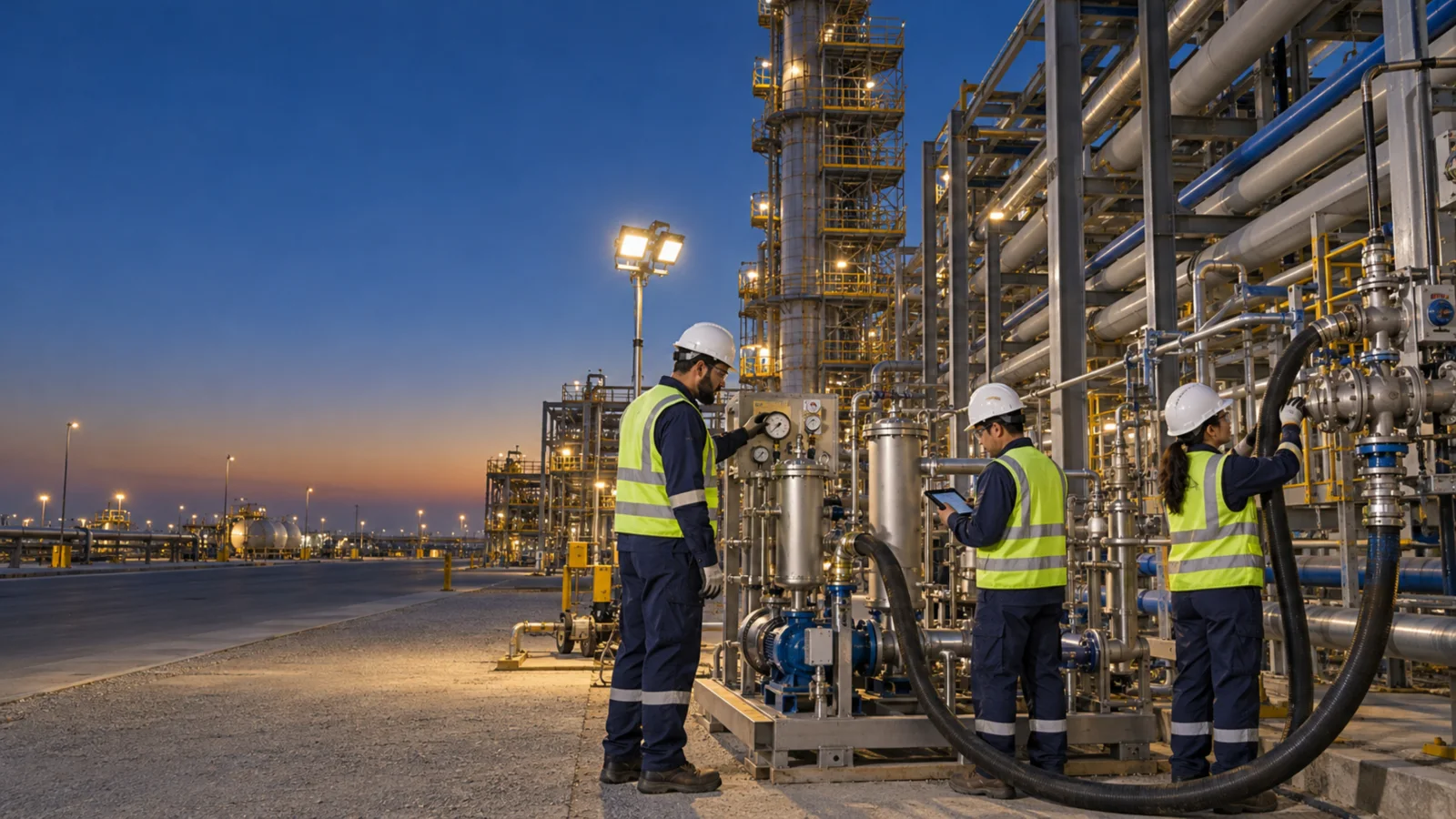
- Steam and air blowing clear debris from steam and process lines at high velocity.
- Chemical cleaning removes mill scale, rust and deposits from internal surfaces.
- Glycol and oil flushing bring lubrication and seal systems to the required cleanliness.
- Hydromilling uses high-pressure water to clear hard deposits.
- Pigging cleans and gauges pipelines with devices driven through the line.
The right method depends on the system, the material and the cleanliness standard the equipment supplier requires.
Pre-commissioning is the work that makes the start-up date hold.
GOC Insights
Planned, not improvised
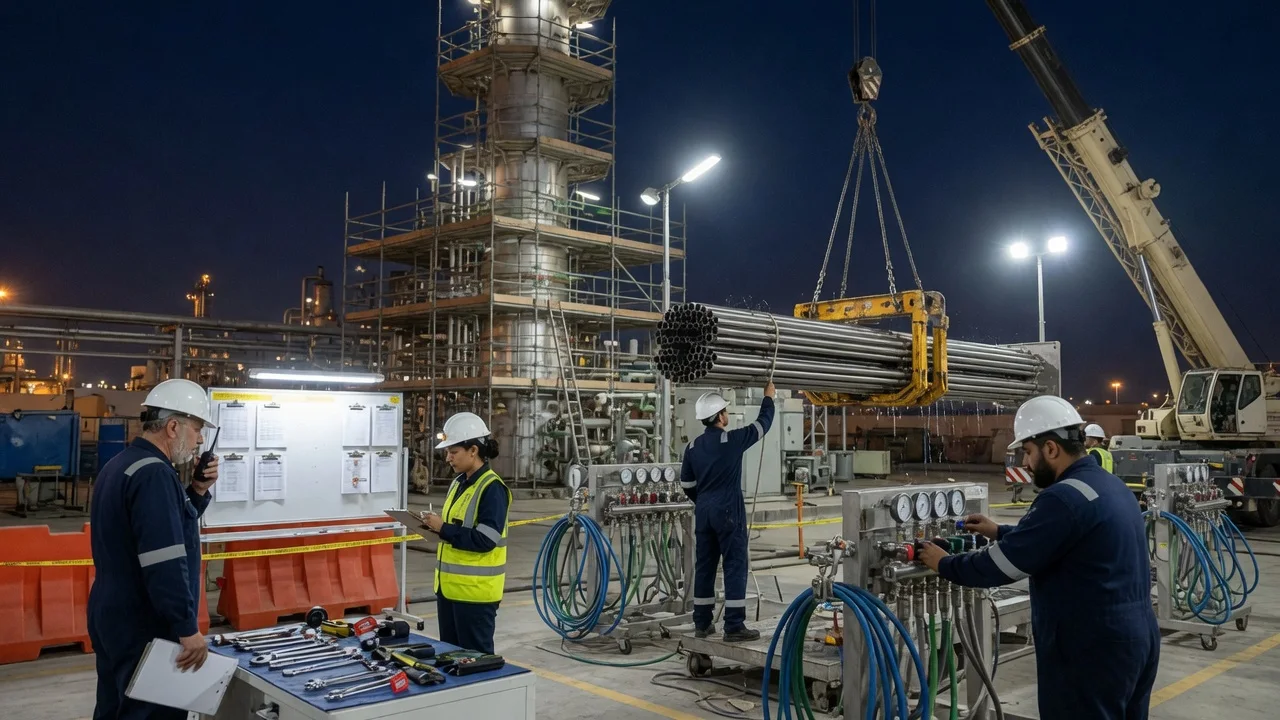
Each scope starts with a plant walk-down and a method statement: sequence, resources and HSE plan. Work is then executed to the agreed window, tested, recorded and handed over with the documentation the operator needs to accept the system.
What GOC delivers
Steam and air blowing, chemical cleaning, glycol and oil flushing, hydromilling and pigging, under the same contract as fabrication and rotating-equipment repair, so interfaces stay inside one team.
Explore Industrial Solutions