GOC Insights · Environment
Industrial water: treating it as a resource, not a by-product
Water runs through every plant: as process water, cooling water and wastewater. How it is treated affects equipment life, compliance and cost.
In an industrial plant, water is rarely the product. But scale, corrosion and microbial growth in water systems can stop the product just as surely as a failed pump.
Why treatment matters
Untreated or poorly treated water builds scale in heat exchangers, corrodes pipework and supports bacterial growth in injection and cooling systems. Each one shortens equipment life and raises energy use. Wastewater that leaves the site out of specification adds compliance risk.
What a treatment programme covers
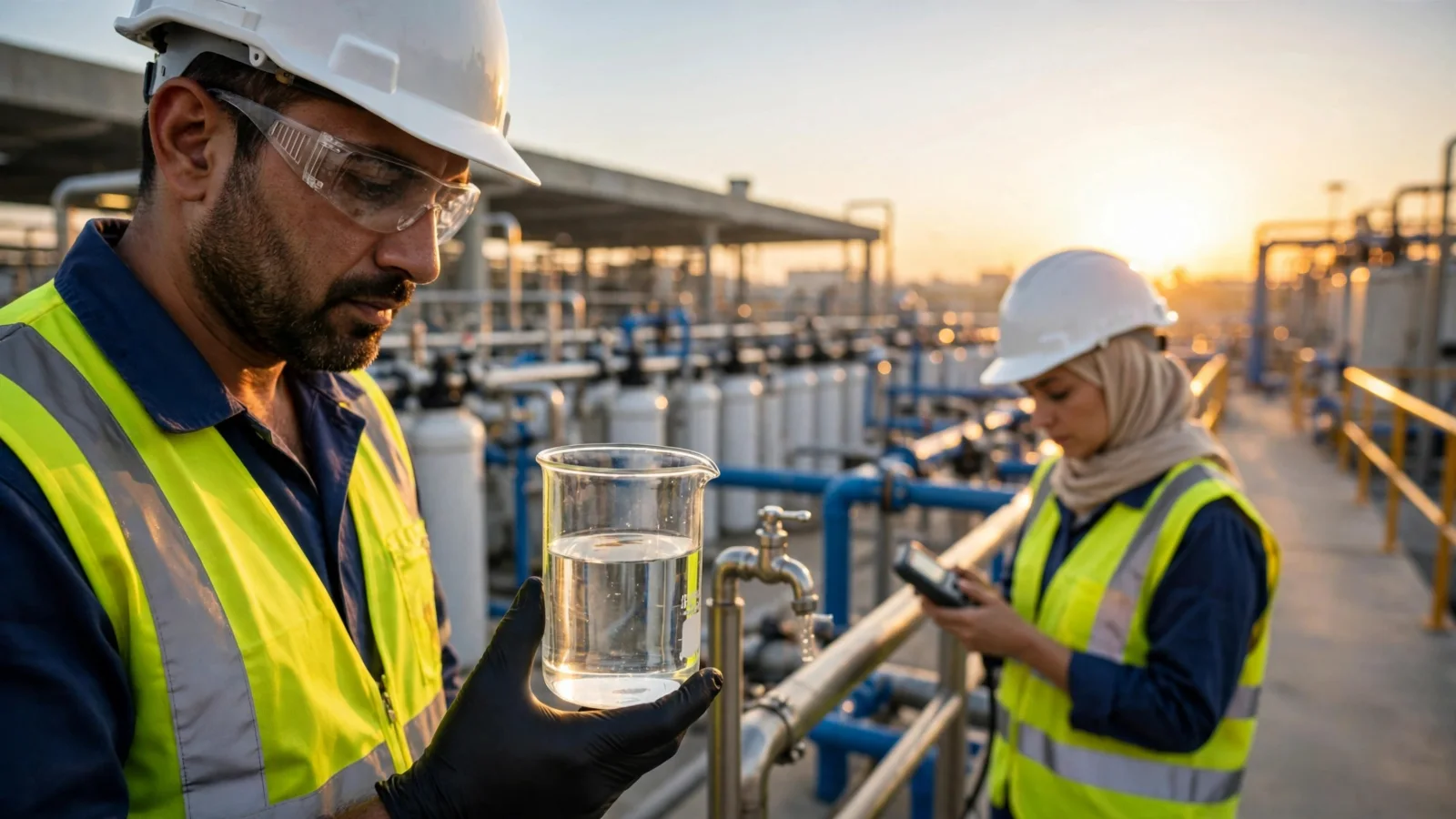
- Sampling and analysis to understand what is in the water, and what is changing.
- Treatment chemistry matched to the system, including biocides such as Biocide W7165.
- Monitoring so dosing follows the water, not the calendar.
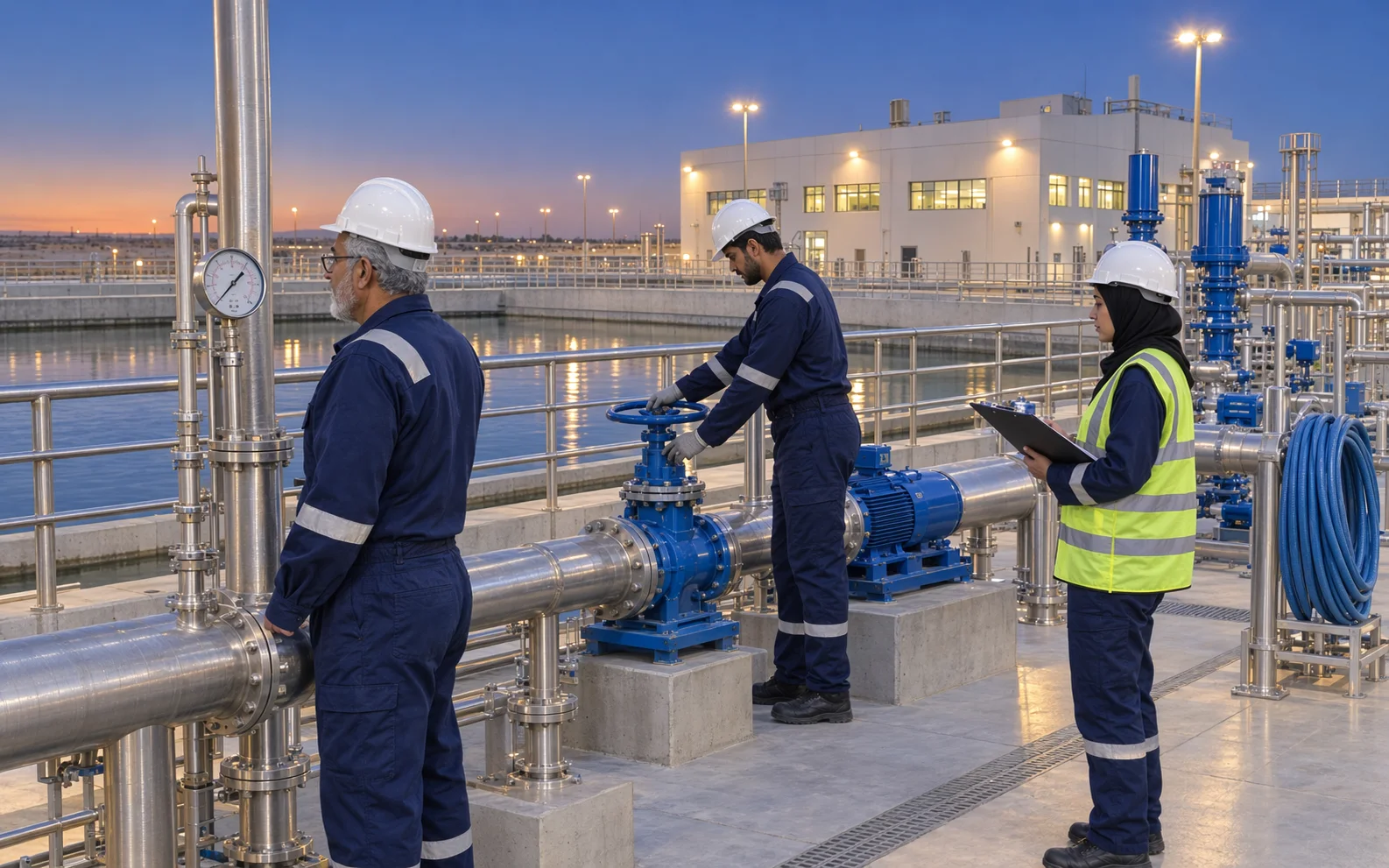
Water is rarely the product, but it can stop the product just as surely as a failed pump.
GOC Insights
Part of a wider environmental approach
Water treatment sits alongside used-oil re-refining and oil reclamation in GOC’s environmental capability: each one turns a cost that plants usually accept into something that can be measured and reduced.
What GOC delivers
Water treatment chemistry for industrial plants and oilfield systems, including Biocide W7165, alongside used-oil re-refining and transformer and turbine oil reclamation.
Explore the Environment capability